Penner Cruise & Travel logo

Cruise Comparison

Best Caribbean cruises: three routes, one horizon.

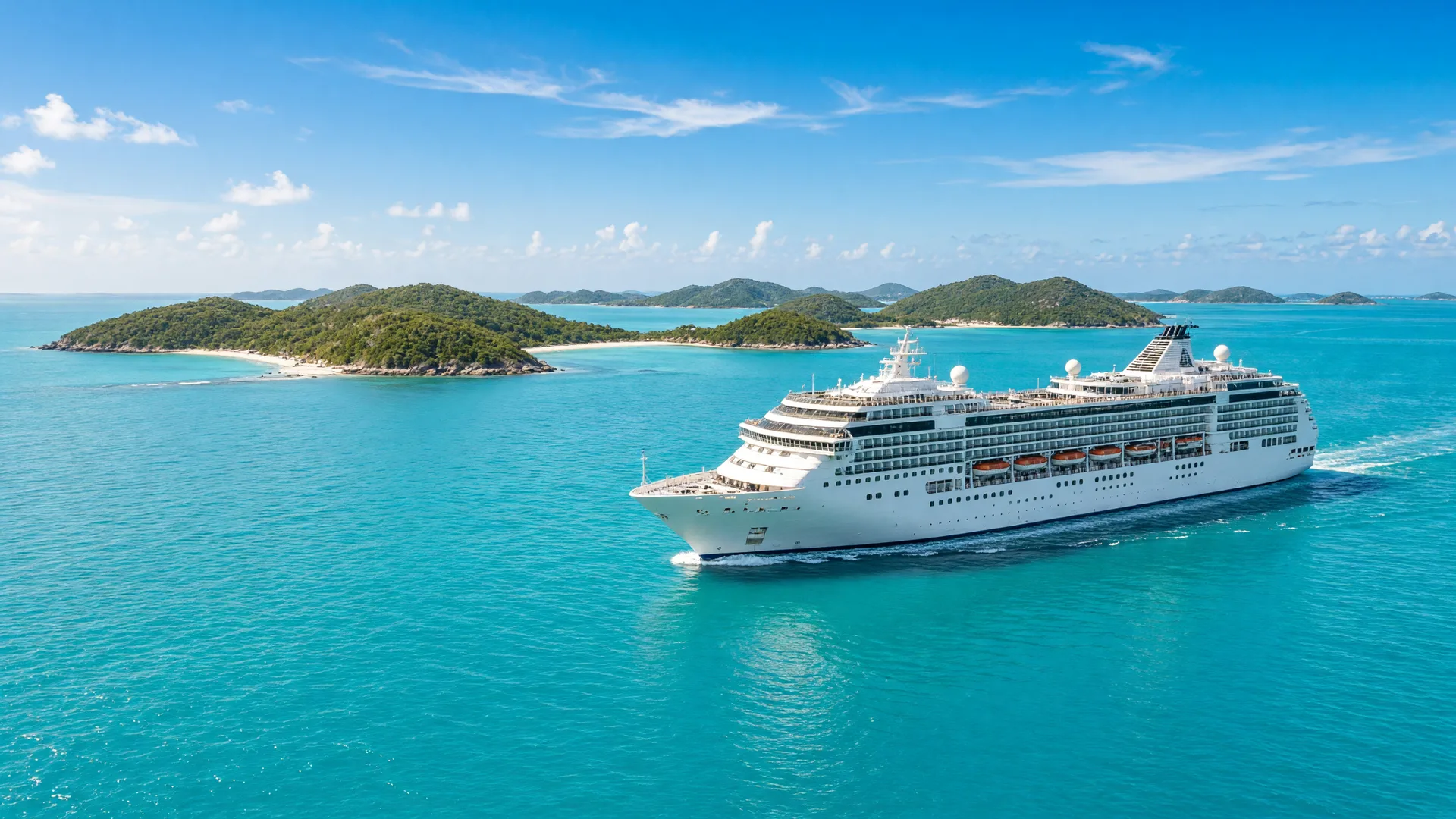
A cruise ship sailing across calm turquoise Caribbean water with islands on the horizon

Start with the route, then find your line.

Almost every Caribbean cruise follows one of three classic routes: Eastern, Western, or Southern. Each has its own personality, ports, and pace, and the right choice depends far more on how you like to travel than on the ship itself. Match the route to your style first, then pair it with a cruise line that fits, and the rest of the planning becomes easy.

Below is a direct comparison of the three routes, followed by a short guide to which cruise line suits which traveler, grounded in how the industry actually ranks its fleets. We keep the numbers simple; the details are best tailored to your dates and group.

Three routes

Eastern, Western, or Southern Caribbean?

Here is how the three routes stack up at a glance, and below each one you will find the kind of traveler it suits best.

Route Best for Typical ports Typical length
Eastern First-time cruisers and beach lovers San Juan, St. Thomas, St. Maarten, Grand Turk, and Nassau 7 nights
Western Active travelers, history buffs, divers and snorkelers Cozumel and Costa Maya (Mexico), Grand Cayman, Jamaica, Belize City, and Roatán (Honduras) 4 to 7 nights
Southern Travelers with more time who want island variety Aruba, Bonaire, and Curaçao, plus Barbados, St. Lucia, Antigua, St. Kitts, Martinique, and Grenada 7 to 14 nights
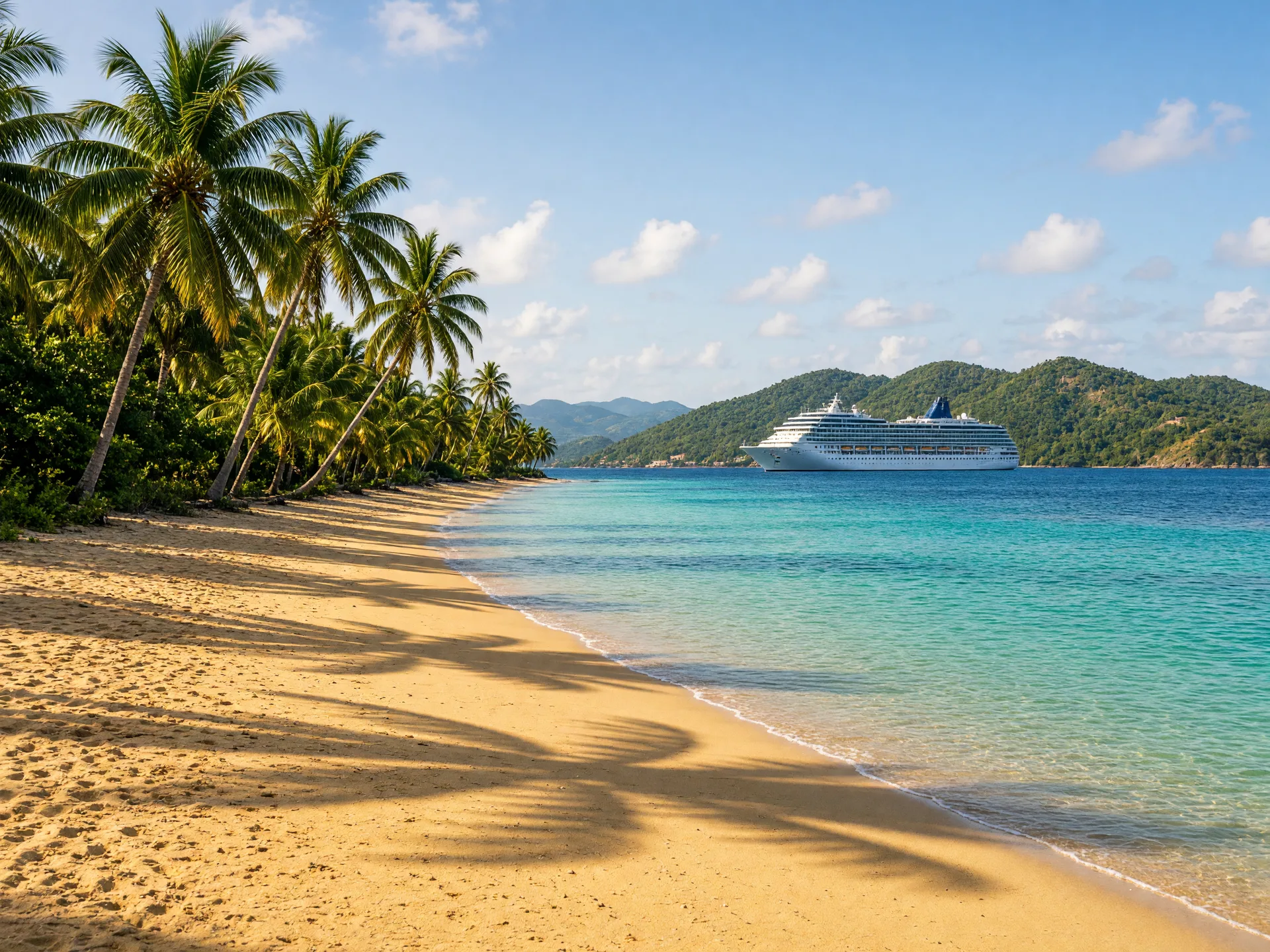
Golden Eastern Caribbean beach with palms and a cruise ship anchored offshore

01

Eastern Caribbean

Best for first-timers and beach lovers

The Eastern route is the region’s most straightforward first cruise: a steady string of island ports with some of the Caribbean’s most celebrated beaches, easy shore days, and a relaxed pace that suits anyone new to cruising.

Best for
First-time cruisers and beach lovers who want a classic, sun-soaked first voyage.
Typical ports
San Juan (Puerto Rico), St. Thomas (US Virgin Islands), St. Maarten, Grand Turk, and Nassau
Typical length
7 nights
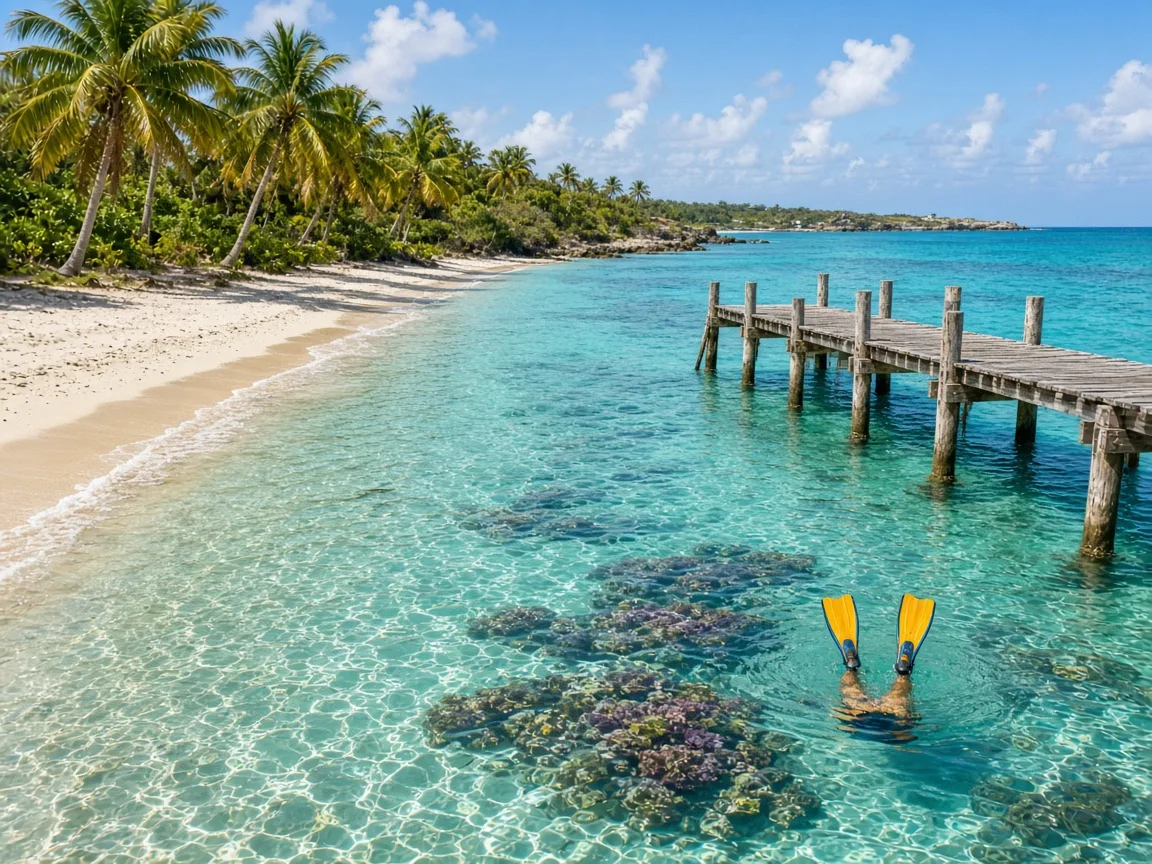
Turquoise Western Caribbean coastline with palms, a wooden pier, and clear reef water

02

Western Caribbean

Best for active travelers, divers, and history

The Western route trades beach-idle days for a fuller menu: Mayan ruins, reef snorkeling and diving, jungle, and the lively ports of Mexico, the Caymans, and Jamaica. It also carries some of the most sailings and the region’s lowest fares, which is why it fits so many first and repeat cruisers.

Best for
Active travelers, history buffs, and divers and snorkelers who want more to do in port.
Typical ports
Cozumel and Costa Maya (Mexico), Grand Cayman, Jamaica (Falmouth/Ocho Rios/Montego Bay), Belize City, and Roatán (Honduras)
Typical length
4 to 7 nights
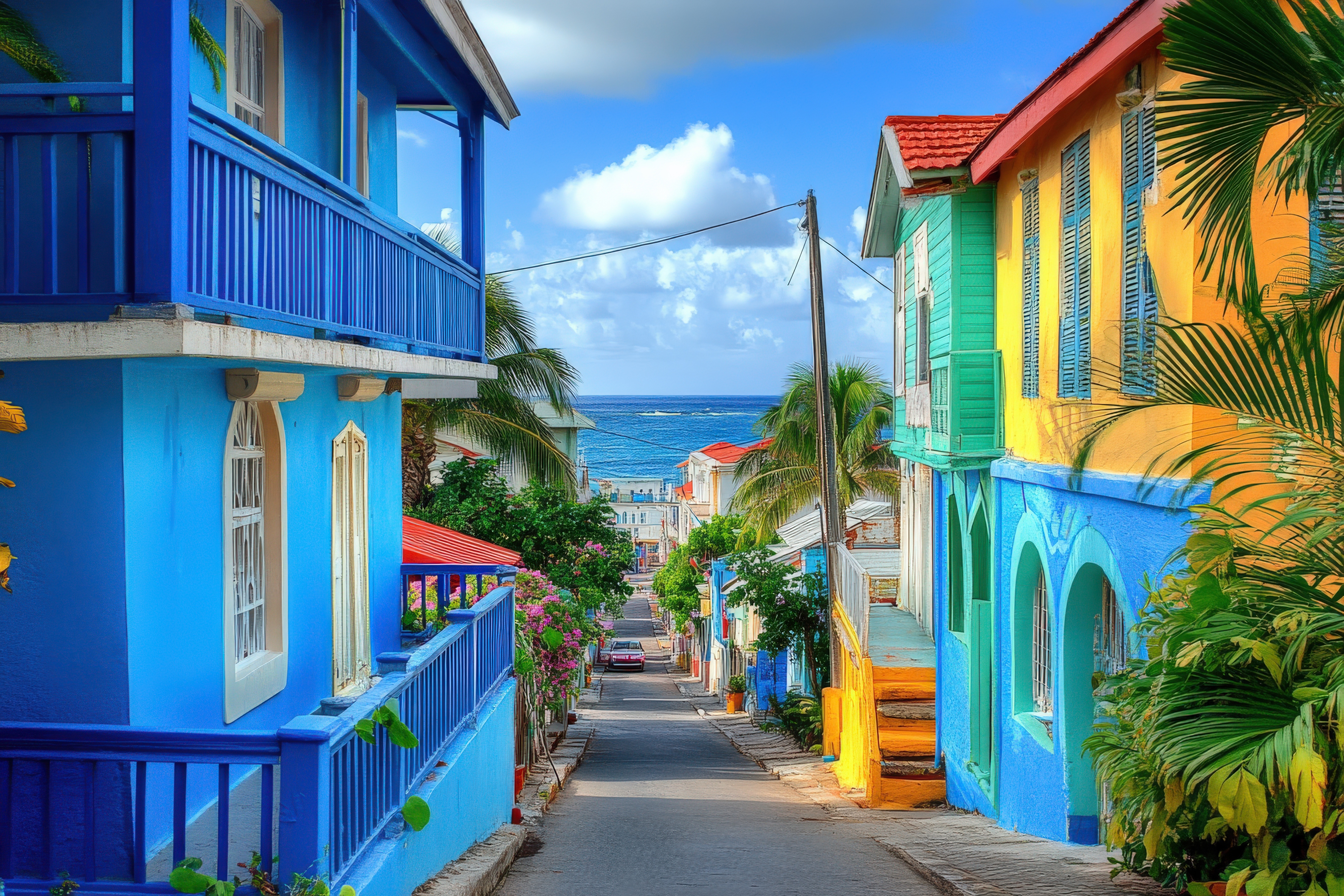
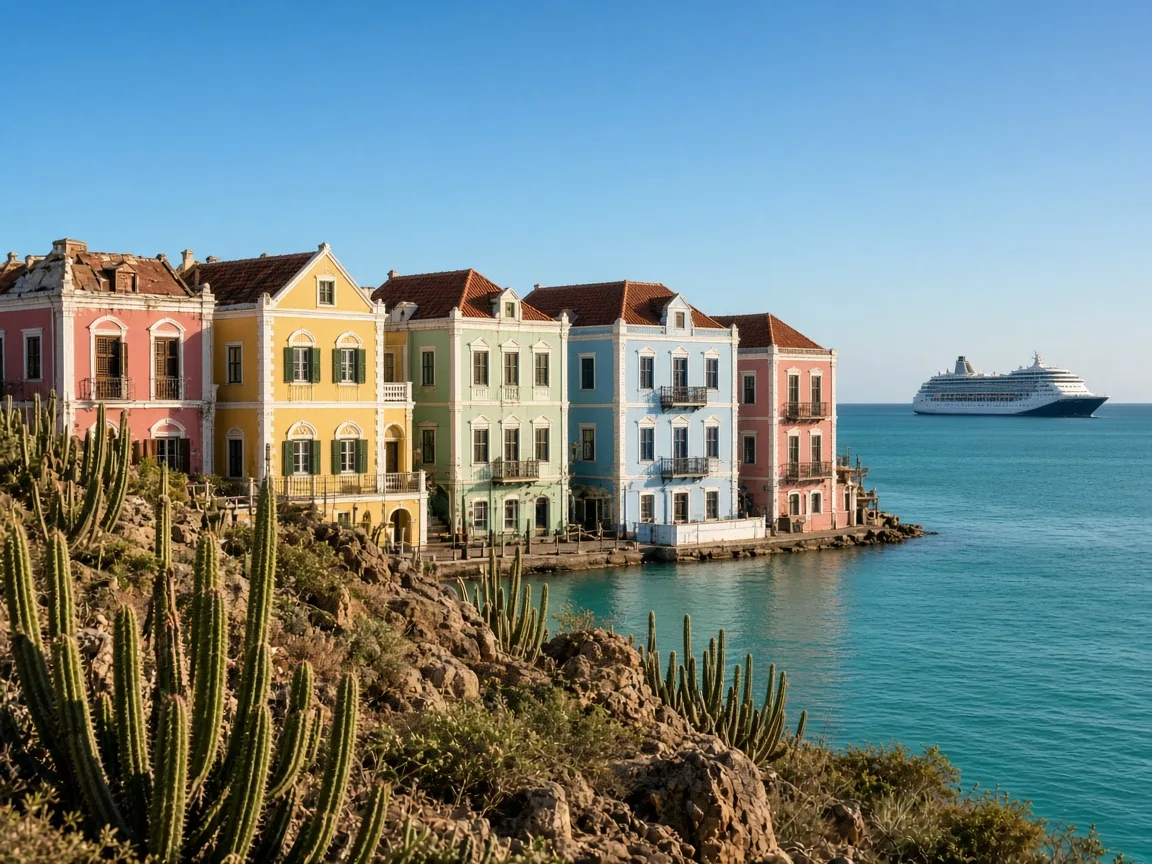
Colorful Southern Caribbean town with pastel Dutch-colonial houses above a turquoise harbor

03

Southern Caribbean

Best for a longer, off-the-beaten-path voyage

The Southern route is the region’s longest and least crowded classic voyage: it dips below the Eastern and Western loops to reach the Dutch ABC islands of Aruba, Bonaire, and Curaçao, then weaves through the lush islands of the Lesser Antilles, from St. Lucia and Barbados down to Grenada and beyond. Expect more sea days, smaller and less crowded ports, and a genuine sense of distance from the Florida and Puerto Rico departures.

Best for
Travelers with more time who want island variety, less-crowded ports, and the ABC islands’ drier, year-round climate.
Typical ports
Aruba (Oranjestad), Bonaire (Kralendijk), Curaçao (Willemstad), Barbados (Bridgetown), St. Lucia (Castries), Antigua (St. John’s), St. Kitts (Basseterre), Martinique (Fort-de-France), Grenada (St. George’s), and Cartagena (Colombia) on some sailings
Typical length
7 to 14 nights

Southern Caribbean

What makes the Southern route different.

The Southern Caribbean is the long arc of islands that runs from the Dutch ABC trio of Aruba, Bonaire, and Curaçao, through the lush Windward and Leeward islands of the Lesser Antilles, and down toward the South American mainland. It is the least crowded of the three classic routes, with more sea days, greater island variety, and ports that feel genuinely distinct from one another.

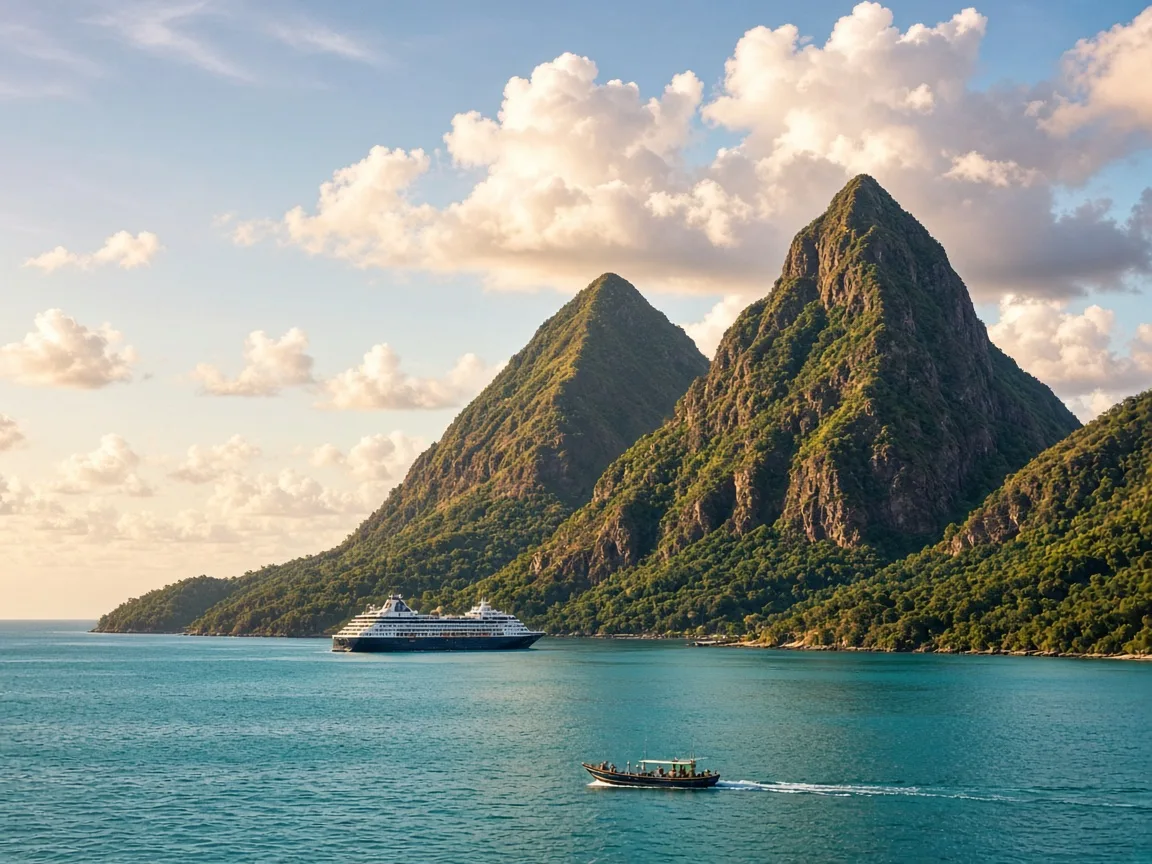
The twin volcanic peaks of the Pitons rising over a calm bay in St. Lucia

The islands

A wider, wilder set of islands.

A Southern itinerary trades the Eastern route’s beach idyll and the Western route’s action for pure variety: in a single voyage you can move from Aruba’s wind-sculpted desert beaches to Bonaire’s world-class reefs, Curaçao’s candy-colored Willemstad, the rainforest peaks of St. Lucia, and the spice gardens of Grenada, while stops like Martinique and Guadeloupe carry a distinctly French flavor and Trinidad and Tobago bring a Caribbean and South American fusion all their own.

  • Aruba (Oranjestad)
  • Bonaire (Kralendijk)
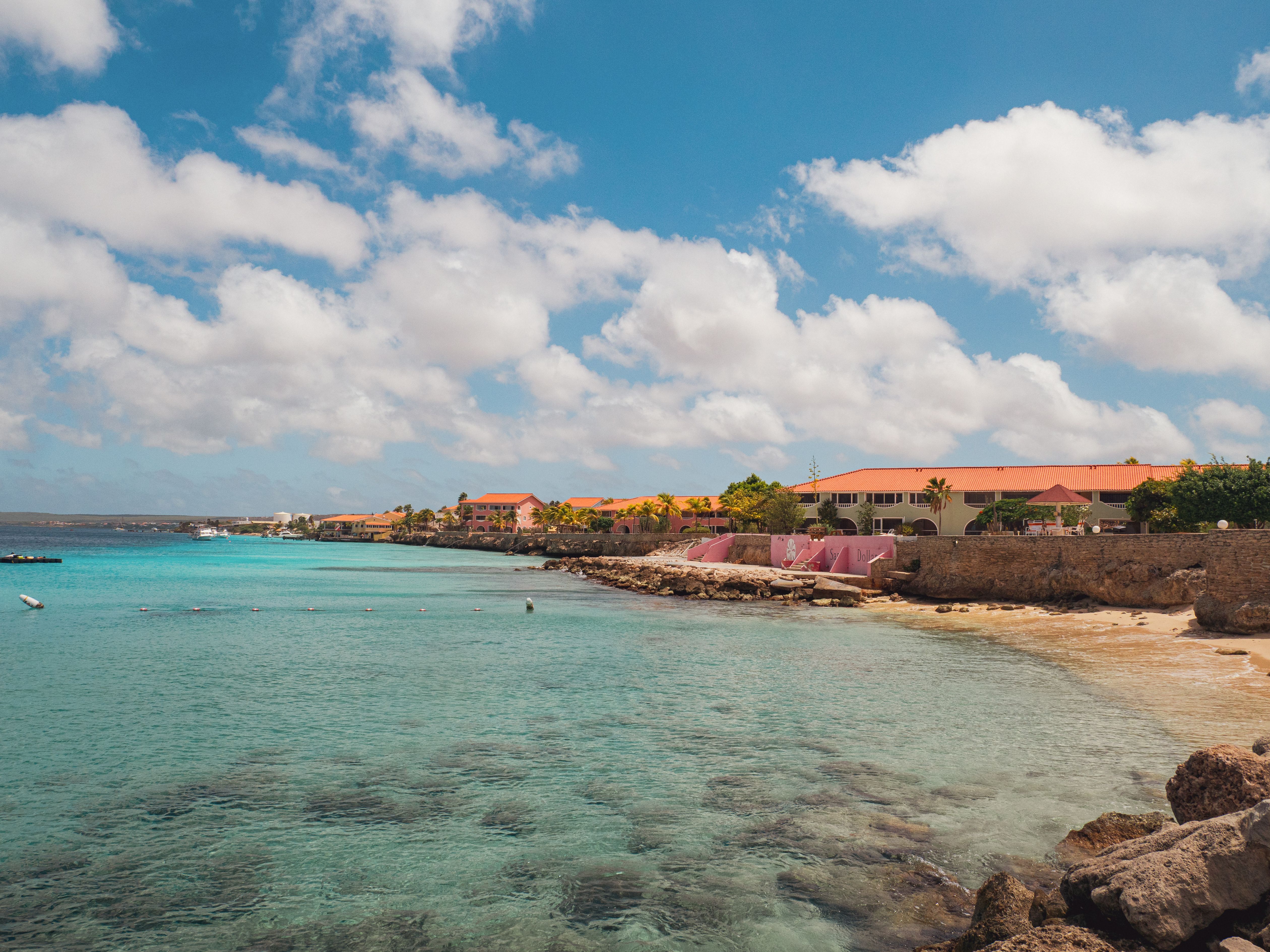
  • Curaçao (Willemstad)
  • Barbados (Bridgetown)
  • St. Lucia (Castries)
  • Antigua (St. John’s)
  • St. Kitts (Basseterre)
  • Martinique (Fort-de-France)
  • Guadeloupe (Pointe-à-Pitre)
  • Grenada (St. George’s)
  • St. Vincent (Kingstown)
  • Trinidad and Tobago (Port of Spain, Scarborough)
  • Cartagena, Colombia, on some sailings

Homeports

San Juan is the classic Southern homeport: its eastern position lets week-long loops reach the ABC islands and the Lesser Antilles with few sea days. Miami and Fort Lauderdale serve longer 10 to 14-night voyages, Bridgetown, Barbados anchors in-region round-trips, and some lines also embark at Fort-de-France, Castries, and Pointe-à-Pitre.

Typical itineraries

Sailings range from 7-night, island-heavy loops out of San Juan to 10 to 14-night voyages from Florida that reach deeper into the region. ABC-focused itineraries often run 7 to 10 nights, and in-region departures from Bridgetown or the French islands make shorter, sea-day-light options possible.

Best time to sail

Mid-December through April is the classic dry-season window. The far-south ABC islands have a drier, more stable year-round climate than the northern Caribbean, which gives the Southern route genuine off-season appeal, though the wider June-to-November hurricane season still carries weather risk across the region.

Southern vs. Eastern and Western

The Southern route asks for more of your time than the Eastern or Western: longer voyages, more sea days, and usually a higher fare per sailing. In return you get the region’s least crowded ports and its greatest variety, from the desert-bright ABC islands to the rainforest of St. Lucia and Grenada. If you have a single week and want maximum beach time, the Eastern route remains hard to beat; if you want ruins and reef action close to Florida, the Western route packs more into a shorter trip. Choose the Southern route when you can give the Caribbean ten days or more and want to feel how different these islands are from one another.

Ports of call

Fourteen shores that define the Caribbean.

Every route is built from its ports, and the Caribbean's are wonderfully distinct: Spanish citadels in Puerto Rico and Colombia, Dutch gables in the ABC islands, the spice gardens of Grenada, and beaches, reefs, and rum in between. Here is what makes each of the fourteen most-called ports worth the stop.

Eastern Caribbean

The classic, sun-soaked first cruise.

San Juan, St. Thomas, and Nassau anchor the short Eastern loop: old colonial harbors, world-class beaches, and the region's most relaxed pace.

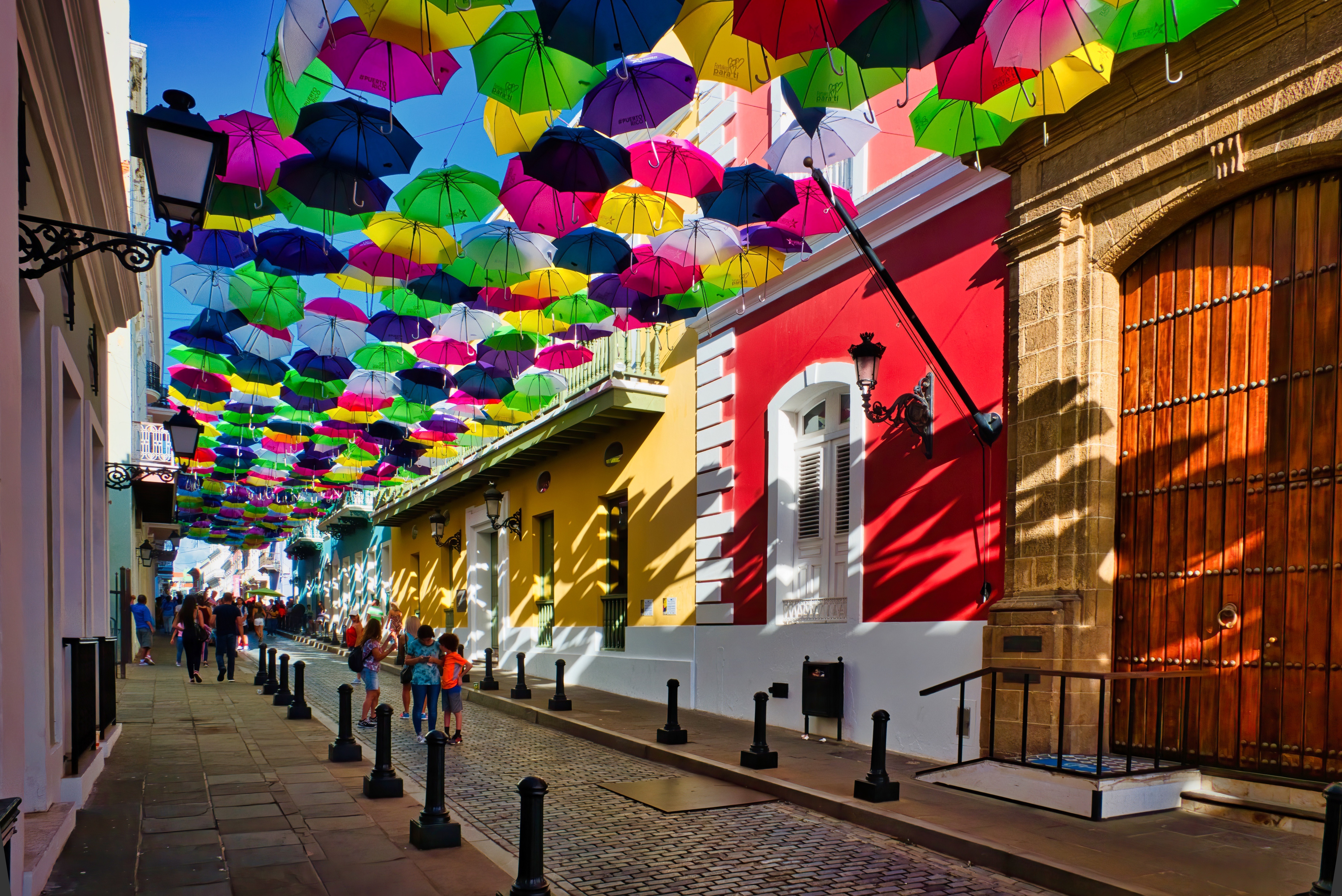
Old San Juan's colorful townhouses and the San Felipe del Morro fortress by the water's edge

San Juan

Puerto Rico

Puerto Rico's capital greets cruisers in a walled colonial city where cobblestone streets slope between pastel townhouses and the great fortress of El Morro crowds the edge of the Atlantic.

Port highlights
  • El Morro and the San Juan National Historic Site, centuries of Spanish fortifications and a UNESCO World Heritage Site.
  • Old San Juan's blue cobblestones, squares, and candy-colored houses on a walkable headland beside the cruise piers.
  • A short hop inland to El Yunque National Forest, the only tropical rainforest in the U.S. National Forest System.
Interesting facts
  • San Juan was founded in 1521 and is the oldest city in the United States and its territories.
  • La Fortaleza in Old San Juan is the oldest executive residence in continuous use in the Americas.
  • The islet of Old San Juan was once ringed by city walls, and long sections, including the old city gate, survive today.
Something not everyone knows

The famous blue cobblestones of Old San Juan are ballast stones cast in Spain and carried across the Atlantic in ships; when rain wets them they take on their signature blue sheen.
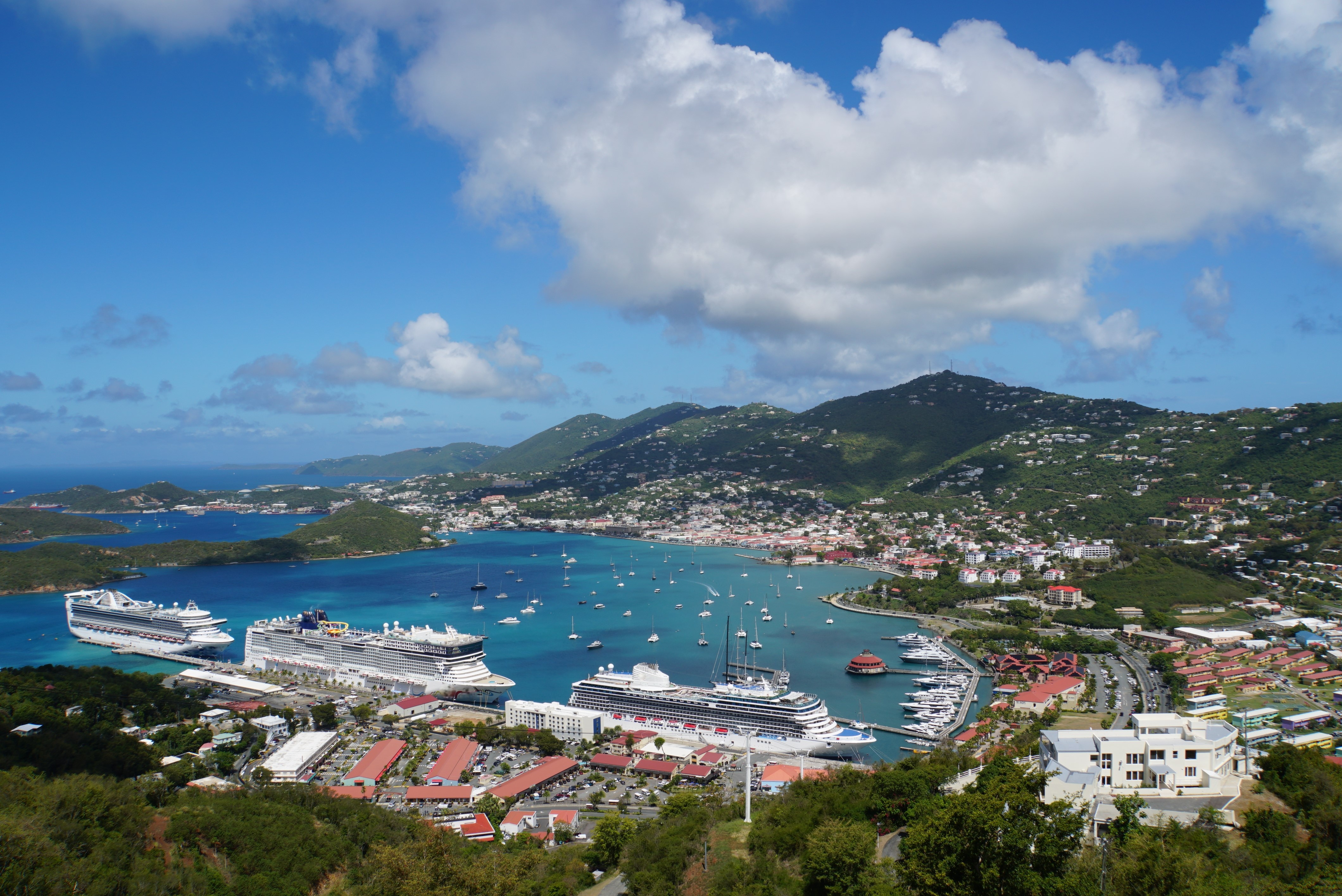
Sailboats and turquoise water at St. Thomas, U.S. Virgin Islands

St. Thomas

U.S. Virgin Islands

Charlotte Amalie's horseshoe harbor is one of the Caribbean's great cruise stops: a duty-free town, hilltop lookouts, and beaches like Magens Bay a short drive away.

Port highlights
  • The cable car to Paradise Point for the postcard view over the harbor and the lines of visiting ships.
  • Magens Bay, a wide arc of white sand framed by green hills and calm, shallow water.
  • The old Danish-era streets climbing above the harbor, plus duty-free shopping along Main Street.
Interesting facts
  • The United States bought the Danish West Indies, including St. Thomas, from Denmark in 1917 in a $25 million gold transaction.
  • St. Thomas is among the most visited cruise ports in the Caribbean, welcoming well over a million passengers a year.
  • Charlotte Amalie is named for the wife of King Christian V of Denmark.
Something not everyone knows

No one agrees on how many steps make up the famous 99 Steps: the sign says 99, but counts range from 99 to 103 depending on where you start and who is counting.

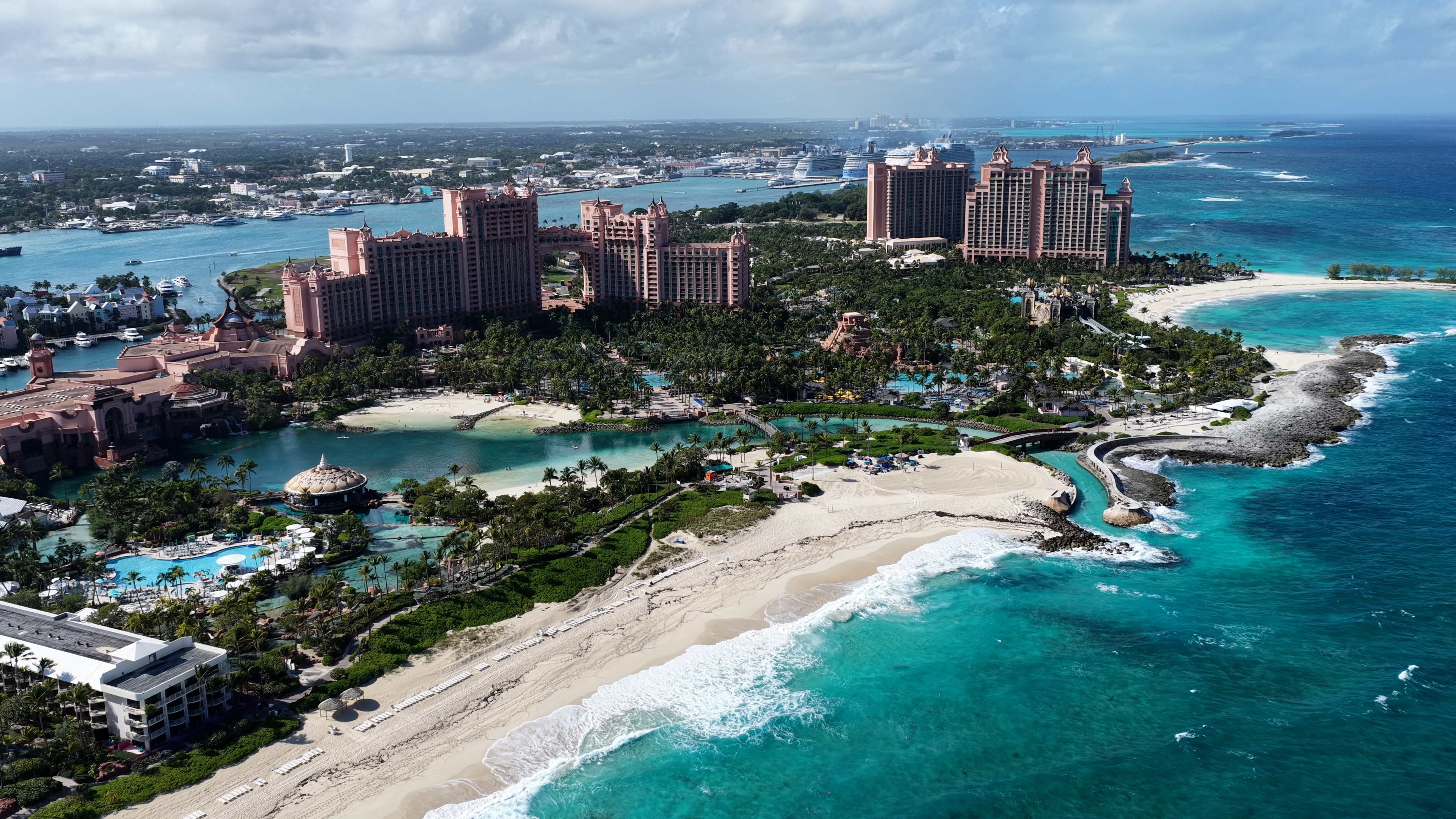
Atlantis Paradise Island rising above the harbor at Nassau, Bahamas

Nassau

Bahamas

The Bahamas' capital pairs a colonial past with a resort future: Atlantis's water park dominates Paradise Island while Old Nassau keeps its landmarks and lively markets.

Port highlights
  • Atlantis Paradise Island, with its water slides, marine exhibits, and casino, a world of its own across the bridge.
  • The Queen’s Staircase and Fort Fincastle, carved from a solid limestone hillside in the 1790s and just minutes from downtown.
  • The Straw Market and Bay Street shopping, plus Junkanoo Beach a short walk from the piers.
Interesting facts
  • The Queen’s Staircase was cut by hand from solid limestone between 1793 and 1794 by roughly 600 enslaved workers, and was later named for Queen Victoria.
  • The Bahamas became an independent Commonwealth nation in 1973, after more than 250 years as a British colony.
  • Nassau is one of the Caribbean’s busiest cruise ports, often hosting several ships and thousands of visitors in a single day.
Something not everyone knows

The glamorous island across the harbor was called Hog Island until 1962; a developer bought it and renamed it Paradise Island, then set about making the name true.

Western Caribbean

Reefs, ruins, and the closest calls to Florida.

Cozumel and Grand Cayman are the Western route's signature stops, pairing the Caribbean's biggest reef system with one of its friendliest sandbars.

Palm-lined shore and clear turquoise water at Cozumel, Mexico

Cozumel

Mexico

Mexico's largest island is a reef diver's paradise: Palancar's coral gardens, powder-sand beach clubs, and a quieter Maya past at inland San Gervasio.

Port highlights
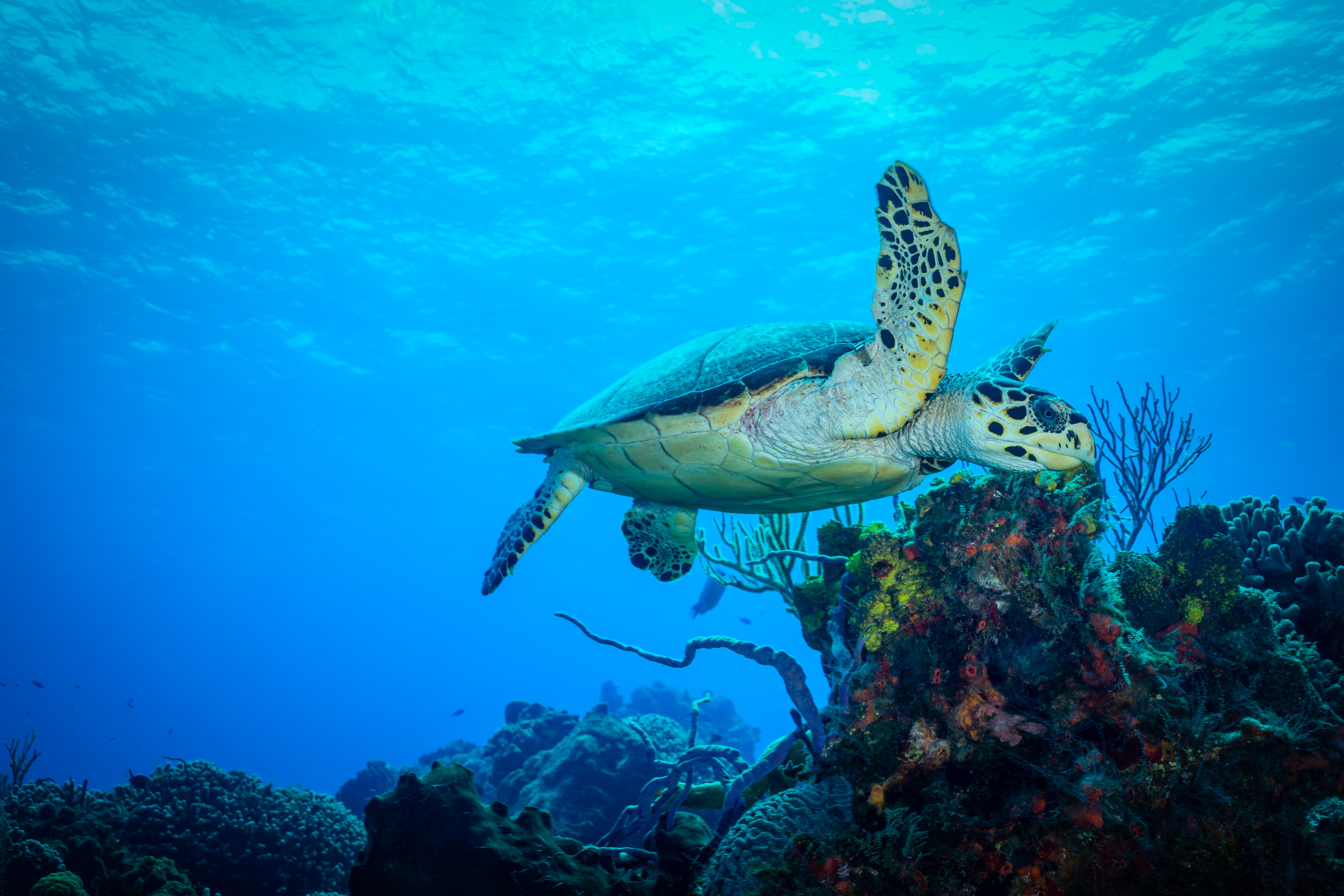
  • Palancar Reef and the Mesoamerican Barrier Reef, the world’s second-largest reef system, with some of the clearest water in the Caribbean.
  • San Gervasio, Cozumel’s largest Maya ruin site, set deep in the island’s jungle interior.
  • Beach clubs and snorkeling at Chankanaab and Playa Mia, plus San Miguel’s lively restaurants and bars.
Interesting facts
  • Cozumel was a Maya pilgrimage destination: San Gervasio was dedicated to Ixchel, the goddess of fertility and the moon.
  • Palancar is part of the Mesoamerican Barrier Reef, which runs more than 600 miles along the coasts of Mexico, Belize, Guatemala, and Honduras.
  • The island's name comes from the Maya word Cuzamil, which means place of the swallows.
Something not everyone knows

Palancar made the drift dive famous: gentle currents carry divers along the reef face, so the expert move is to ride the current, not fight it.

The white sand and turquoise water of Seven Mile Beach, Grand Cayman

Grand Cayman

Cayman Islands

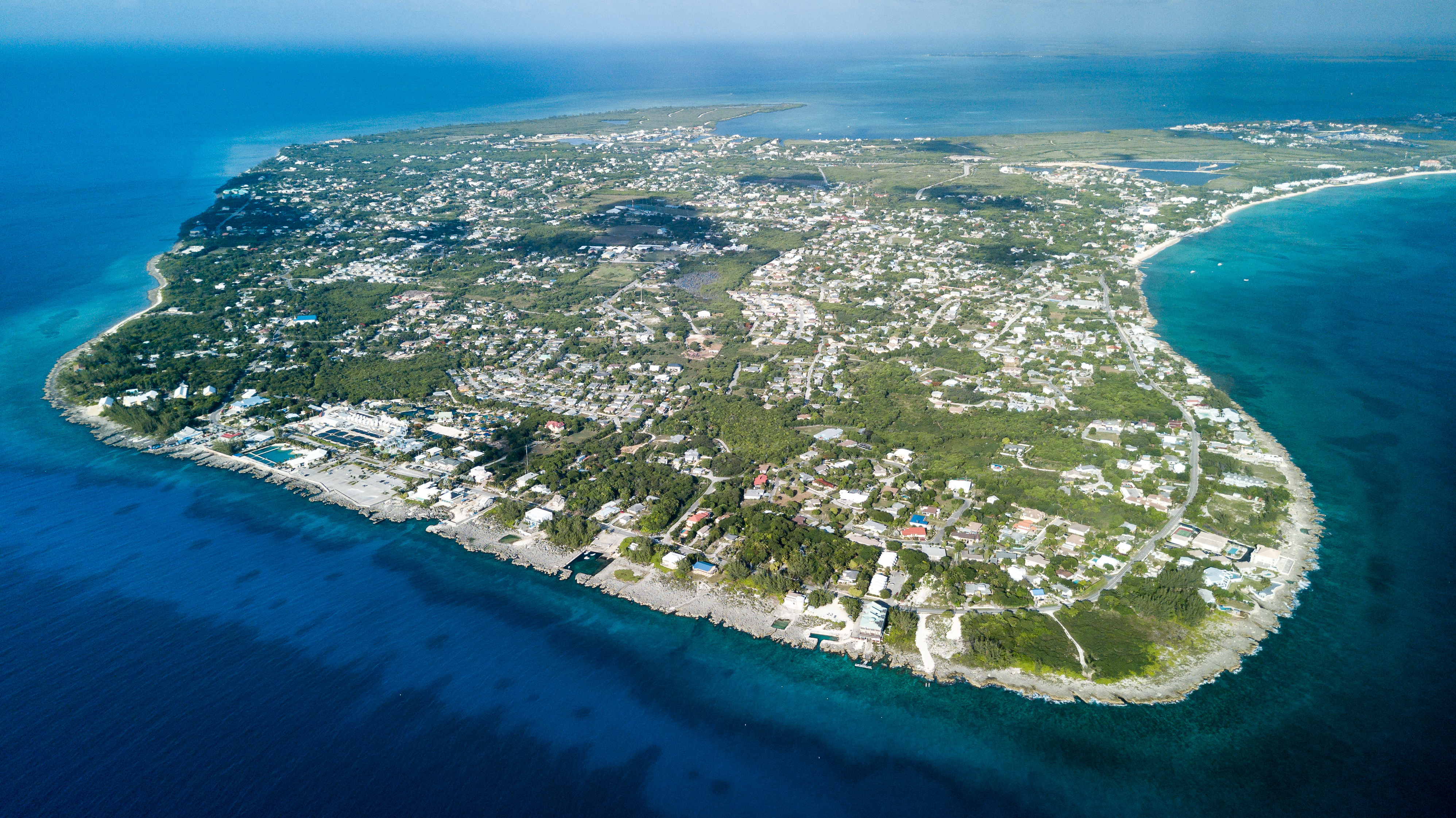
George Town's tidy capital and Seven Mile Beach headline a British Overseas Territory known for its diving, its bankers, and a sandbar full of friendly stingrays.

Port highlights
  • Stingray City, a shallow sandbar in the North Sound where southern stingrays glide among visitors in waist-deep water.
  • Seven Mile Beach, a long ribbon of soft white sand and calm turquoise water lined with low-key resorts.
  • Snorkeling on the coral walls, the Cayman Turtle Centre, and George Town’s spotless streets and duty-free boutiques.
Interesting facts
  • The Cayman Islands are a British Overseas Territory with one of the highest standards of living in the Caribbean.
  • George Town is one of the world’s largest offshore financial centers, a key reason the island is so prosperous.
  • The Cayman dollar is fixed at US$1.25 to CI$1, and most shops happily take U.S. dollars.
Something not everyone knows

Stingray City began by accident: fishermen cleaned their catch in the shallows for decades, and generations of stingrays learned to gather there, so the wild encounter today follows a habit nearly a century old.

Southern Caribbean

The long arc of the ABCs and the Lesser Antilles.

From Aruba's wind-blown beaches to Cartagena's walled city, the Southern route strings together nine of the region's most far-flung and least crowded ports.

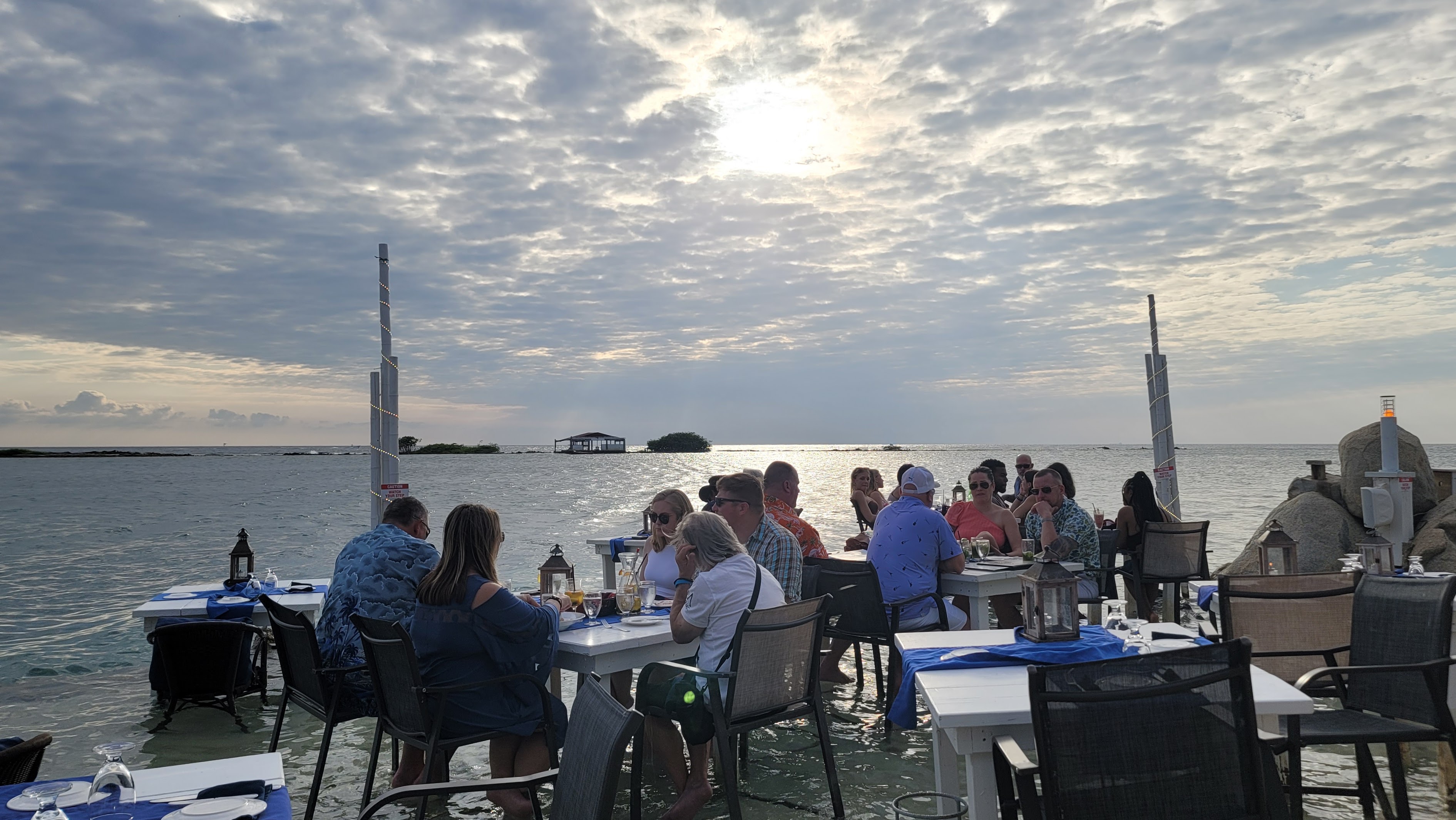
The Flying Fishbone restaurant's tables set in the shallow water at Savaneta, Aruba

Aruba (Oranjestad)

Aruba

Aruba's Dutch-flavored capital opens onto sun-baked beaches, constant trade winds, and a dining scene that famously includes The Flying Fishbone, with tables set in the surf.

Port highlights
  • Eagle and Palm beaches, wide ribbons of white sand kept cool by the island’s ceaseless trade winds.
  • Arikok National Park’s desert landscape: bent divi-divi trees, cacti, and the wild natural pool of Conchi.
  • Dinner at The Flying Fishbone in Savaneta, where tables stand in shallow water right on the sand.
Interesting facts
  • Aruba sits south of the hurricane belt, one reason its weather stays dry and stable through much of the year.
  • As a constituent country of the Kingdom of the Netherlands, Aruba’s official languages include Dutch, Papiamento, and English.
  • The island's trademark divi-divi trees grow permanently bent by the trade winds, all leaning southwest.
Something not everyone knows

The Flying Fishbone sits in Savaneta, Aruba’s original capital, a modest fishing village that predates Oranjestad by more than a century.

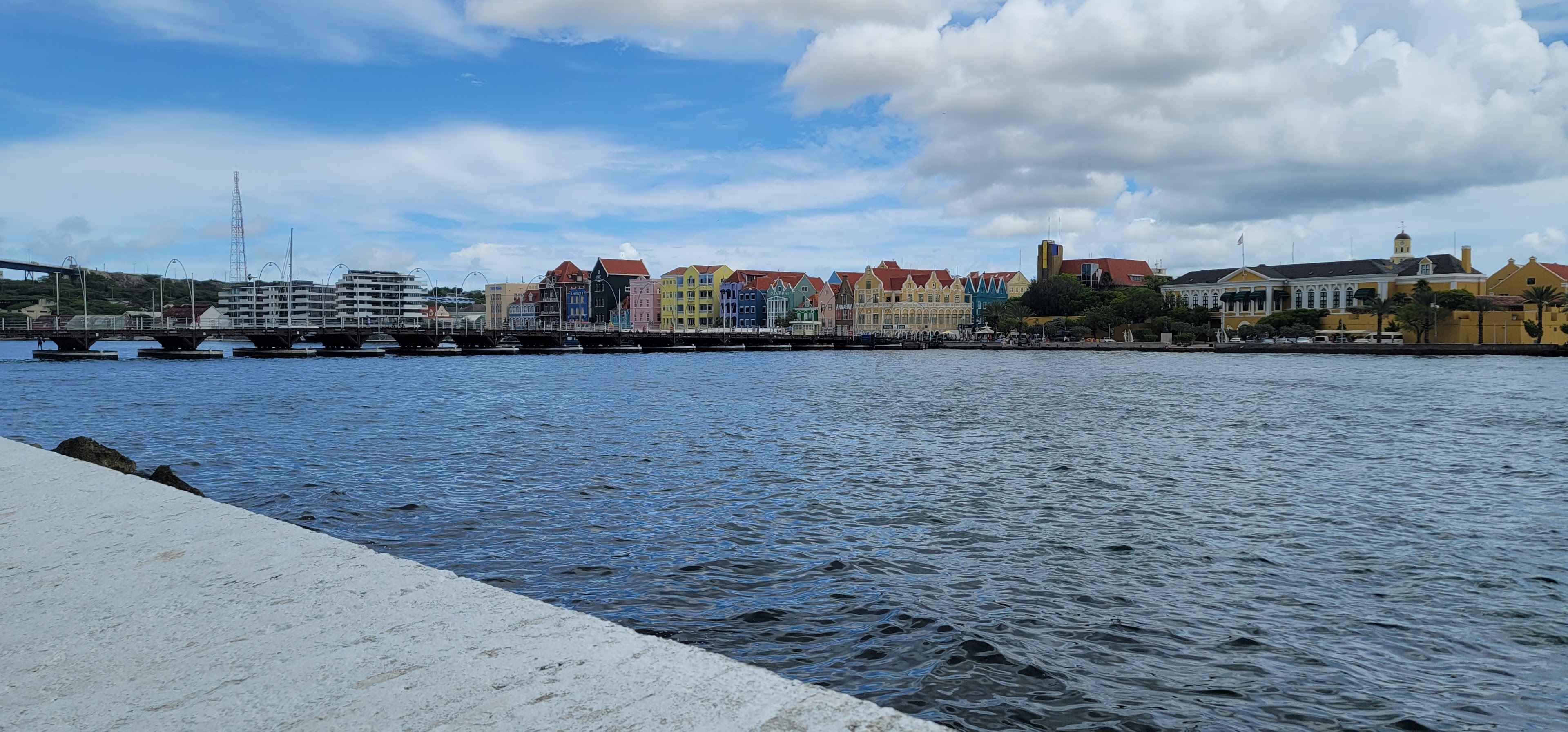
Colorful Dutch-colonial houses along the Handelskade in Willemstad, Curaçao

Curaçao (Willemstad)

Curaçao

Willemstad's candy-colored Dutch houses line the harbor like a stage set, anchored by the swinging Queen Emma pontoon bridge.

Port highlights
  • The Handelskade waterfront and its rainbow of 17th-century Dutch facades, a UNESCO World Heritage Site.
  • Queen Emma Bridge, a floating pedestrian pontoon that swings open like a gate to let ships pass.
  • The Curaçao liqueur distillery at Landhuis Chobolobo, where the island’s famous blue liqueur is made.
Interesting facts
  • Willemstad's historic inner city and harbor were inscribed as a UNESCO World Heritage Site in 1997.
  • Queen Emma Bridge was built in 1888 and remains a free pedestrian crossing, swinging open for boat traffic about thirty times a day.
  • Curaçao liqueur gets its flavor from the dried peels of the laraha, a bitter native citrus descended from Valencia oranges.
Something not everyone knows

Blue is only part of the story: Curaçao liqueur is made in orange, green, red, and clear too, but the blue version rode the 20th-century cocktail boom and became the one the world remembers.

A turquoise bay with reefs and mangroves on Bonaire

Bonaire

Bonaire

Kralendijk, Bonaire's pint-sized capital, fronts one of the Caribbean's great dive destinations: an entire shoreline of protected reef reachable from shore.

Port highlights
  • World-class shore diving: dozens of marked sites you can wade into from the roadside, with the reef minutes from the beach.
  • The flamingo colony at Pekelmeer, one of only four Caribbean flamingo breeding grounds on Earth.
  • Washington Slagbaai National Park, a windswept northern wilderness of salt ponds, cacti, and secluded coves.
Interesting facts
  • The Bonaire National Marine Park protects the island’s entire coastline, from the high-water mark to a depth of 60 meters.
  • Bonaire is the B in the ABC islands and, since 2010, a special municipality of the Netherlands.
  • Pekelmeer, Dutch for salt lake, sits beside the solar saltworks that have shaped the island’s southern coast for well over a century.
Something not everyone knows

The flamingos' pink comes from the brine shrimp and algae they filter from the salt flats, and locals say the Pekelmeer colony's rich diet makes it one of the most vividly colored in the Caribbean.

A colorful produce and craft market in Bridgetown, Barbados

Barbados (Bridgetown)

Barbados

Bridgetown's busy harbor leads into a UNESCO-listed historic core, and the island beyond mixes plantation houses, rum, and a surf-carved Atlantic coast.

Port highlights
  • Historic Bridgetown and its Garrison, the island’s UNESCO World Heritage site, with the 17th-century synagogue and colonial buildings around the Careenage.
  • Carlisle Bay’s wreck dives and calm waters, minutes from the port by boat.
  • The Mount Gay welcome center, where the world’s oldest commercial rum distillery shares its craft.
Interesting facts
  • Historic Bridgetown and its Garrison were inscribed by UNESCO in 2011.
  • Mount Gay, established in 1703, is the world’s oldest commercial rum distillery still in operation.
  • Barbados became a parliamentary republic in 2021 while remaining a member of the Commonwealth.
Something not everyone knows

The Careenage, Bridgetown's narrow inner harbor, takes its name from the old practice of careening: tall ships were tipped onto their sides there so crews could scrape barnacles from their hulls.

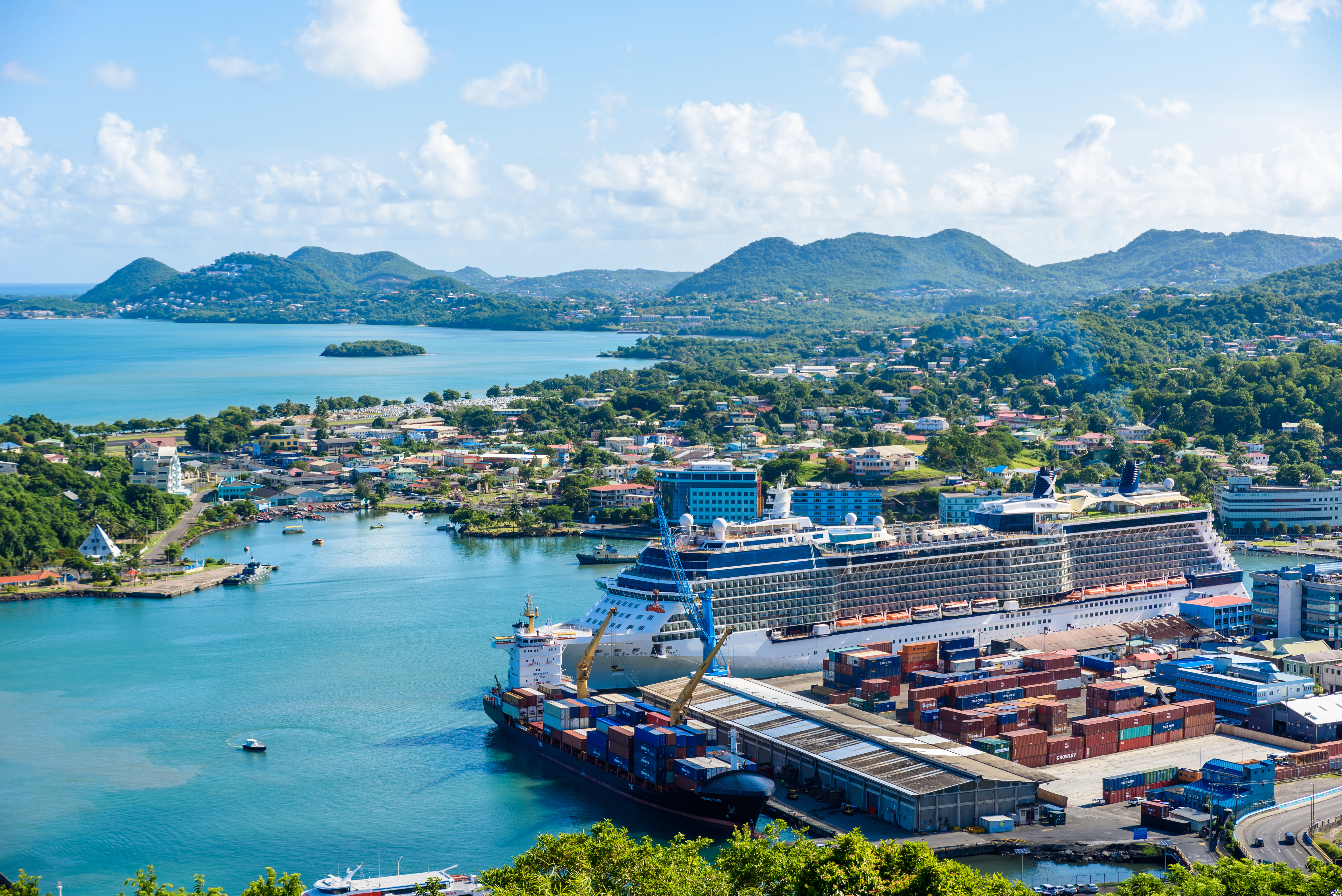
The green hills of St. Lucia and the harbor town of Castries

St. Lucia (Castries)

St. Lucia

Castries, St. Lucia's capital, is a working Creole city wrapped in green mountains and banana fields, and the gateway to the island's famous twin Pitons.

Port highlights
  • The Pitons, Gros Piton and Petit Piton, two volcanic spires rising more than 2,400 feet straight from the sea, a UNESCO World Heritage Site.
  • The Sulphur Springs at Soufrière, the attraction famously called the world’s only drive-in volcano, with bubbling mud pools.
  • Castries Market, a vibrant covered market of spices, fruit, and local crafts near the waterfront.
Interesting facts
  • The Pitons were inscribed as a UNESCO World Heritage Site in 2004 and are the most photographed sight in St. Lucia.
  • St. Lucia changed hands between France and Britain fourteen times before settling as a British colony.
  • Soufrière, on the island’s west coast, is built around the crater of a dormant volcano.
Something not everyone knows

Castries rarely makes the postcards, and that is fine by locals: after a catastrophic 1948 fire leveled much of the old town, the capital rebuilt itself as a proudly working city while the beaches kept the beauty role.

The colorful harbor and town of St. John's, Antigua

Antigua (St. John’s)

Antigua

Antigua's capital hides its Georgian charm behind a simple facade, and just beyond the harbor lie 365 beaches and a UNESCO-listed dockyard still in working order.

Port highlights
  • Nelson’s Dockyard at English Harbour, the world’s only surviving Georgian-era dockyard still in use, and a UNESCO World Heritage Site.
  • Shirley Heights lookout, where a Sunday steel-drum party overlooks the twin harbors of English and Falmouth.
  • St. John's Cathedral, with its twin towers and wrought-iron details, plus the duty-free shops of Heritage Quay by the pier.
Interesting facts
  • Antigua famously claims 365 beaches, one for every day of the year.
  • Nelson’s Dockyard was inscribed by UNESCO in 2016, recognizing the Georgian naval base where Horatio Nelson once served.
  • St. John's is one of the oldest continuously inhabited cities in the Caribbean, founded in the 17th century.
Something not everyone knows

Sugar built Antigua: at the industry’s 18th-century peak more than 150 windmills dotted the hills, and their stone ruins are now among the island’s most photographed landmarks.

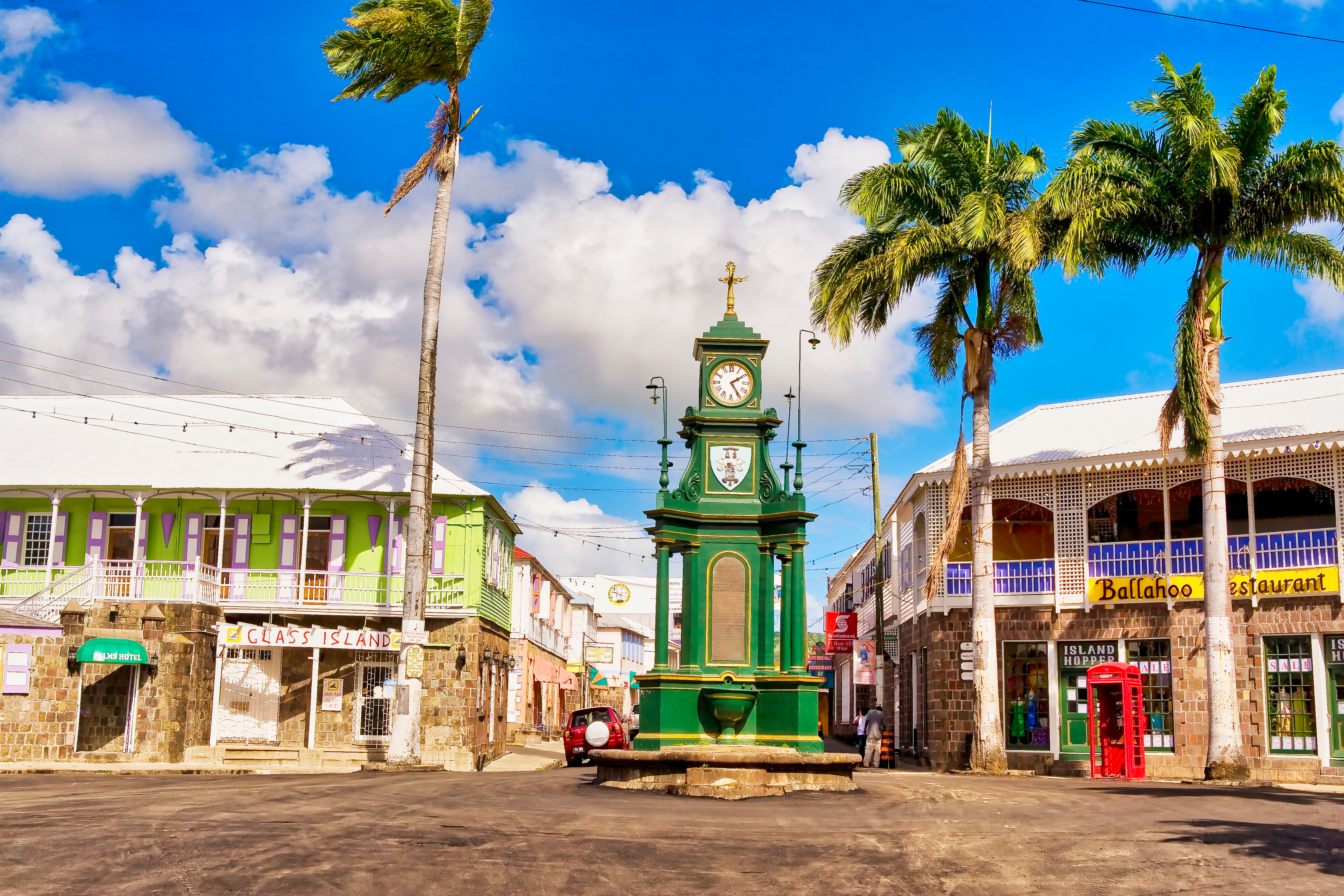
The Berkeley Memorial clock tower at the Circus in Basseterre, St. Kitts

St. Kitts

St. Kitts

Ships glide into Basseterre beneath Brimstone Hill's looming fortress, while the capital's Georgian clock tower anchors a town that still feels like the 18th century.

Port highlights
  • Brimstone Hill Fortress, a towering stone citadel nicknamed the Gibraltar of the West Indies and a UNESCO World Heritage Site.
  • The scenic narrow-gauge railway that circles the island, advertised as the last railway in the Caribbean.
  • Basseterre’s Circus, a small traffic circle modeled on London’s Piccadilly Circus and crowned by the Berkeley Memorial clock.
Interesting facts
  • Brimstone Hill Fortress was inscribed by UNESCO in 1999.
  • The scenic railway runs on tracks laid between 1912 and 1926 to carry sugarcane, long after other Caribbean islands tore up their cane lines.
  • Basseterre is one of the oldest towns in the Eastern Caribbean, settled by the French in 1627.
Something not everyone knows

St. Kitts and Nevis form the smallest country in the Americas by both area and population, a two-island federation that often disappears from maps entirely.

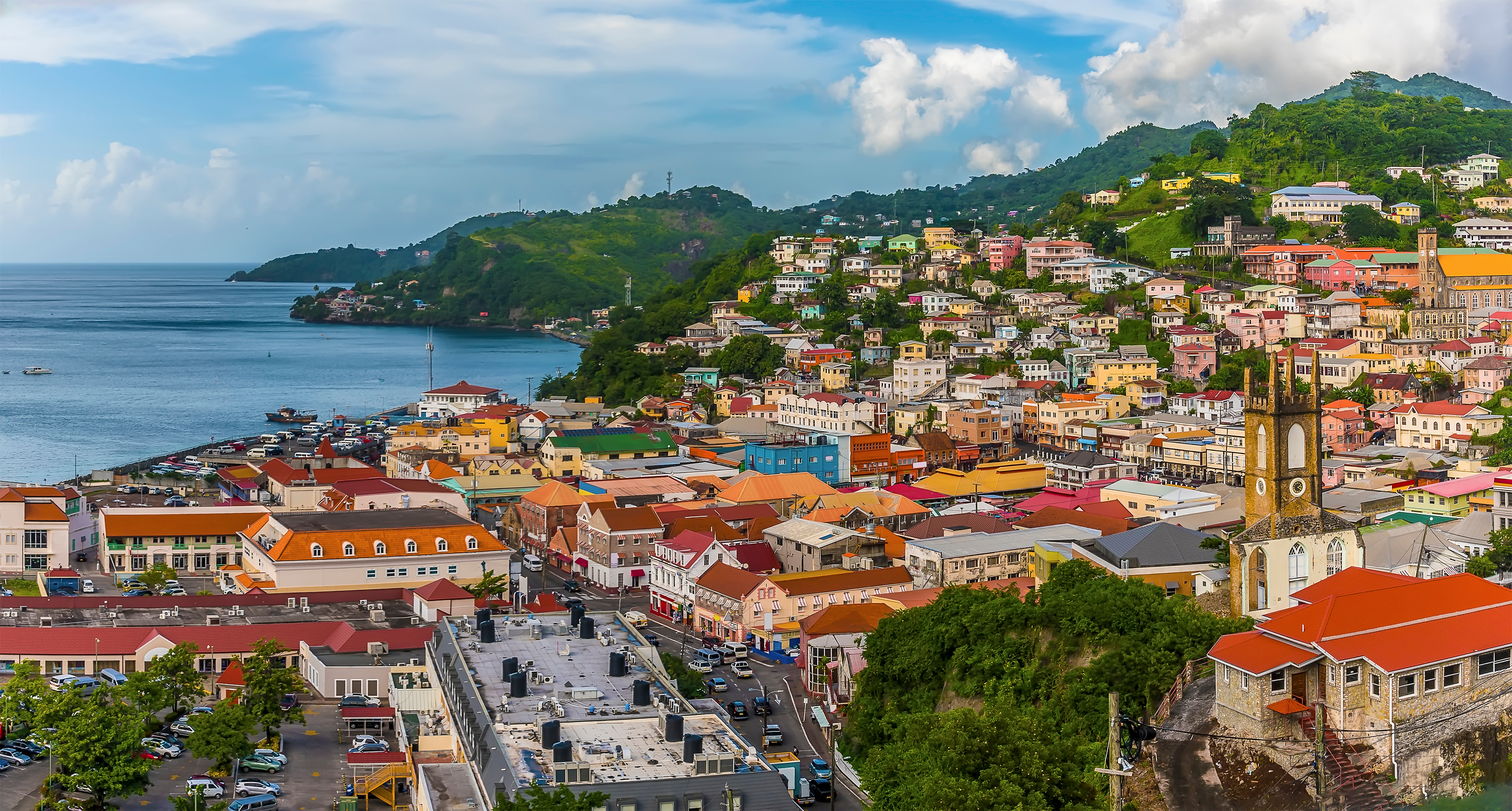
The colorful Carenage harbor in St. George's, Grenada

Grenada (St. George’s)

Grenada

St. George's wraps its rainbow-painted Carenage around a flooded volcanic crater, while the island beyond smells of nutmeg and cinnamon, a nickname waiting to happen.

Port highlights
  • Grand Anse Beach, a two-mile sweep of soft white sand minutes from town.
  • The spice gardens of the interior, where nutmegs dry on racks and tastings are the norm.
  • A snorkel or dive of the Molinere Underwater Sculpture Park, the world’s first, where figures rise from the sand beneath shallow waves.
Interesting facts
  • Grenada is among the world’s leading producers of nutmeg, the source of its title as the Spice Isle.
  • The Molinere sculpture park was created in 2006 by sculptor Jason deCaires Taylor and is widely recognized as the first underwater sculpture park anywhere.
  • The Carenage at St. George’s is a natural harbor formed from the crater of a dormant volcano.
Something not everyone knows

When Hurricane Ivan tore through in 2004 it destroyed an estimated 90 percent of the island’s nutmeg trees, but Grenadians replanted, and the industry has been climbing back ever since.

Cartagena's walled old town with its towers and balconies, Colombia

Cartagena

Colombia

Colombia's walled city is a shock of color and cannon fire: UNESCO-listed stone ramparts, balconied plazas, and the mightiest fortress the Spanish ever built in the Americas.

Port highlights
  • The walled Old Town and its fortifications, a UNESCO World Heritage Site since 1984.
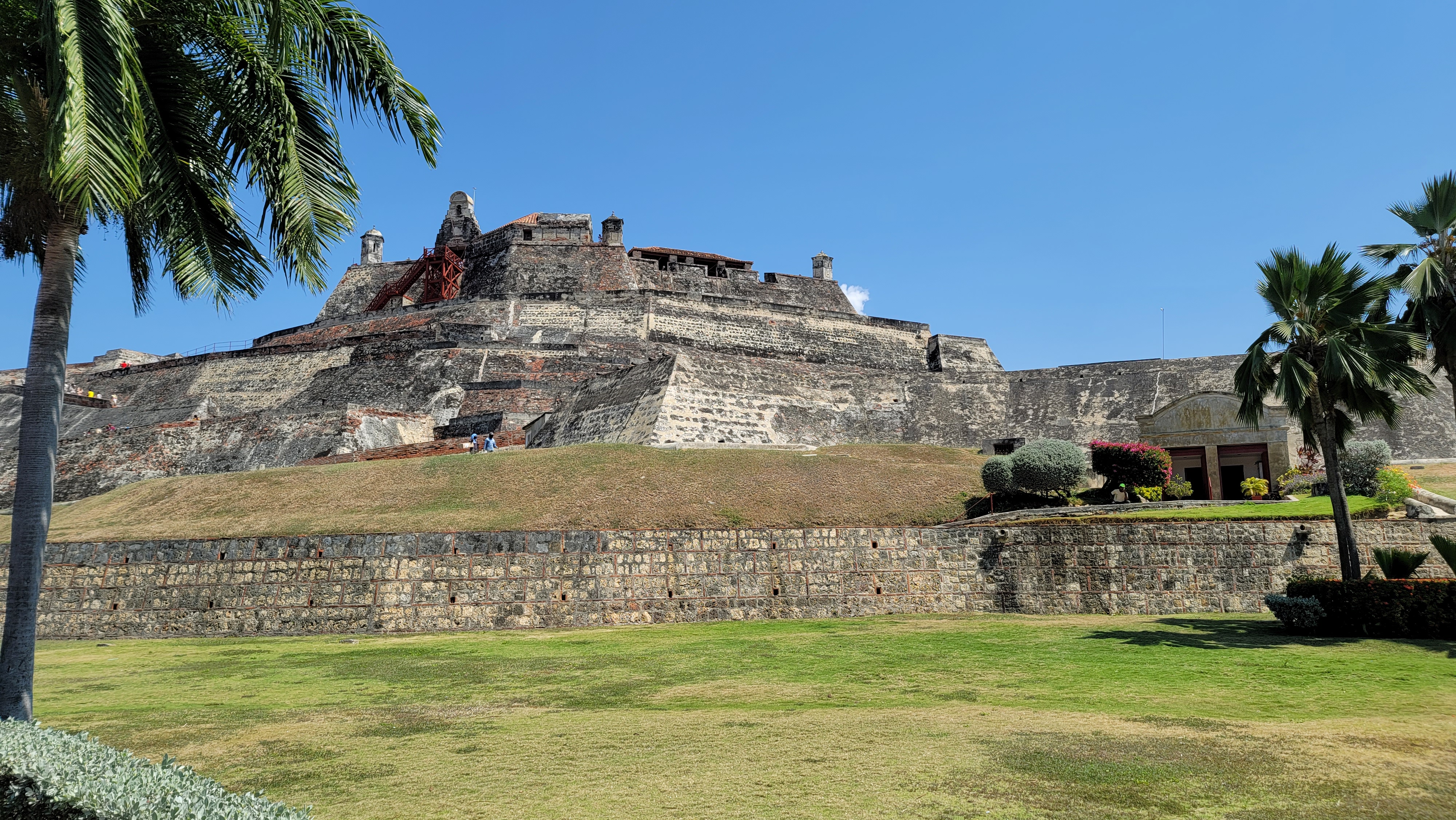
  • Castillo San Felipe de Barajas, the vast fortress that protected the city for centuries, with tunnels you can walk today.
  • The Getsemaní neighborhood’s street art and late-night plazas, where Cartagena’s modern rhythm lives.
Interesting facts
  • Pedro de Heredia founded Cartagena in 1533, and within a century it had become one of the most important ports of the Spanish Empire.
  • San Felipe de Barajas is one of the largest fortresses ever built by the Spanish in their colonies, its labyrinth of tunnels still open to visitors.
  • As a Colombian port, Cartagena gives the Southern arc of the Caribbean a distinct South American flavor.
Something not everyone knows

Cartagena earned the nickname La Heroica by repelling one of the largest invasion fleets of the colonial era, Admiral Edward Vernon's 1741 British attack, which the city's walls and defenders turned back.

Which cruise line for you

Pair the route with the line that fits.

Once you have your route, the next question is who sails it. The 2026 industry rankings point to a clear set of strengths: here is the line that fits each kind of Caribbean traveler.

Not sure which line fits? Here’s how the top options compare.

Cruise Line Best For Standout
Royal Caribbean Families, megaresort fans, and travelers who want the biggest ships with the widest range of departure ports and onboard activities Icon- and Oasis-class mega ships, with the most variety
Carnival The best value mainstream choice, consistently priced below Royal Caribbean for similar week-long sailings from the same ports Biggest bang for the buck, fun-focused atmosphere
Celebrity Adults and couples wanting a premium, refined feel Elevated dining and a more sophisticated onboard experience
Disney Cruise Line Families with young kids Themed experiences and character dining
Virgin Voyages Adults-only, value-conscious travelers Adults-only ships, no kids, top-rated dining for the price
Viking Ocean / Explora Journeys Luxury and a quieter, destination-focused voyage Small ships, all-inclusive luxury feel

Royal Caribbean

The biggest ships and the most departure options

Carnival

The best-value mainstream choice

Celebrity

A premium, adults-oriented feel

Disney

A top family pick

Virgin Voyages

An adults-only, money-friendly option

Viking Ocean or Explora

Luxury, for a more refined voyage

Not sure which route is yours yet?

Tell us who is traveling, when, and how you like to spend a day in port, and a Destination Engineer will match the route and the line to you, with no cost and no obligation to book.